Traffic needs somewhere to land: Digital and Marketing on one plan
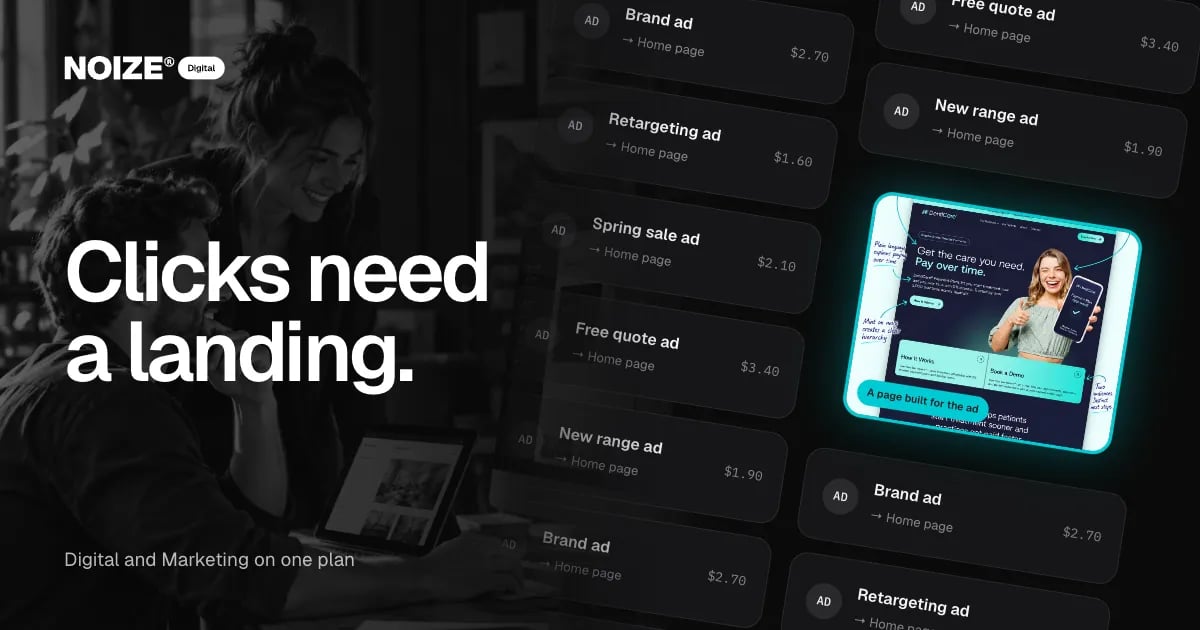
The campaign is live. The ads look good. The targeting is sensible. Every click goes to the home page, where visitors have to find the offer they clicked on, among eight menu items and a slider of unrelated messages. Most leave. The ad platform reports a healthy click-through rate. The business sees very few enquiries.
This is one of the most expensive gaps in marketing: the space between the ad and the page. It exists because the ads and the website are usually built by different people with different goals.
The short version
- Sending ad traffic to the home page wastes spend.
- Build a landing page for each offer and audience, matching the ad, with one action, real proof, fast mobile loading and forms connected to the CRM.
- When Digital and Marketing plan the journey together, they can test and improve it continuously.
The short version
Traffic needs somewhere to land. Each campaign should send visitors to a page built for that offer and that audience, with one clear next step connected to the CRM. When Digital and Marketing plan the journey together, ad, page, form and follow-up, they can test pages and creative side by side, measure results from click to sale and keep improving. The same ad spend produces more customers.
Why the home page is the wrong destination
The home page has to serve everyone: new visitors, returning customers, job seekers, suppliers. It can't focus on the specific offer someone just clicked. Visitors arriving from an ad have one question: is this the thing I clicked on? If the answer isn't obvious in seconds, they leave.
What a good landing page does
01Matches the ad
The headline continues the promise the ad made, in the same words and look.
02Speaks to one audience
It is written for the people the campaign targets, with their problem and language.
03Offers one action
One form, one button, one phone number. No navigation to wander off through.
04Shows proof
Real reviews, results and work that reassure visitors quickly.
05Loads fast on a phone
Most paid traffic is mobile. Slow pages lose visitors before they see anything.
06Connects to follow-up
Submissions go straight into the CRM with the campaign recorded, triggering an immediate response and a follow-up sequence.
> I've generated more than 100,000 leads, and the single biggest improvement I've seen on paid campaigns came from building a proper page for each offer. Same ads, same budget. The page did the rest.
Planning the journey together
At NOIZE, Marketing and Digital plan campaigns as one journey. Marketing defines the audience, offer, channels and measures. Digital builds the landing pages, connects the forms to the CRM and sets up tracking. Sales defines what happens after the form is submitted. Everyone sees the same results.
Testing what works
With pages and ads built together, testing becomes simple. Try two headlines, two offers or two layouts and let the results decide. Small improvements in conversion rate compound: a page that converts a little better lowers the cost of every customer the campaign produces.
“The top marketing agency I've worked with on the Gold Coast.”
An illustrative example
Picture a dental clinic running ads for a specific treatment that all point to the home page. Building a dedicated page for the treatment, with clear pricing guidance, real patient reviews and a short booking form connected to the practice CRM, changes the result. The ads don't change. Bookings from the campaign increase because visitors land exactly where they expected to.
Where to start this week
Click your own ads. Note where each one lands and how long it takes to find the offer. Then submit the form and see what happens next. If the journey feels slow or confusing to you, it is costing customers. See digital.noize.com.au and marketing.noize.com.au.
Writing a landing page that converts
Start with the headline: continue the exact promise the ad made. Follow with a short explanation of the problem and how you solve it. Add proof: reviews, results, logos or examples. Answer the two or three objections visitors usually have. Then ask for one action, clearly, more than once on longer pages. Remove anything that doesn't help the visitor decide.
The follow-up is part of the page
What happens after the form is submitted matters as much as the page itself. An instant confirmation, a fast personal response and a clear next step turn a submission into a conversation. Sales defines that sequence and Digital automates the parts that should be automatic, so no lead waits.
When to build more pages
As campaigns grow, so does the case for more specific pages: one per service, location or audience segment. Each focused page usually converts better than a general one, and the data shows where to invest next. Digital builds pages from reusable components, so new ones can launch quickly without losing quality.
Questions to ask before you start
Ask where each ad sends visitors. Ask whether the page matches the ad's promise. Ask how many actions the page offers. Ask what happens after someone submits the form. Ask how results are measured from click to sale. The answers show where ad spend is leaking.
Related reading
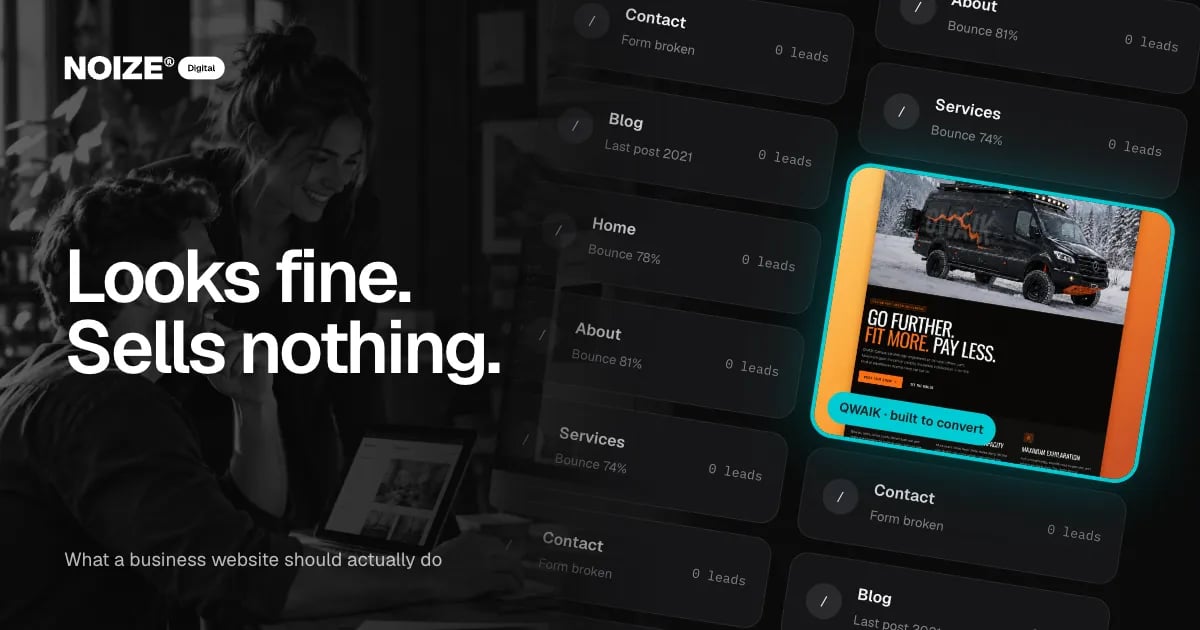
- What a business website should actually do
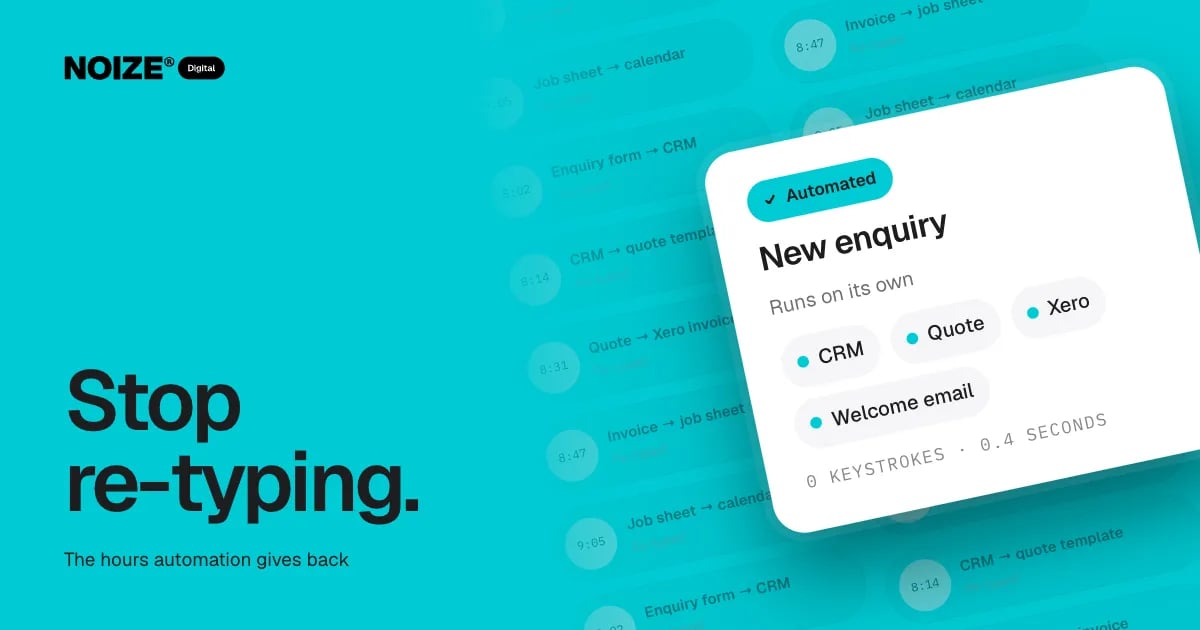
- The hours your team re-types every day: automation for small business
Common questions
What is a landing page?
A page built for a specific campaign or offer, with one clear action, rather than a general page serving many purposes.
Do I need a separate landing page for each campaign?
Ideally for each distinct offer or audience. It usually improves conversion significantly.
What is conversion rate optimisation?
Improving the percentage of visitors who take the desired action, through testing headlines, offers, layouts and forms.
Can landing pages connect to my CRM?
Yes. NOIZE Digital connects forms to your CRM with campaign details recorded.
How do you measure landing page performance?
By conversion rate, cost per enquiry and cost per customer, tracked from click to sale.
How many landing pages do we need?
One for each distinct offer or audience you advertise to. More focused pages usually convert better.
Should landing pages have navigation menus?
Usually not. Removing navigation keeps visitors focused on the single action the page is built for.
How long should a landing page be?
Long enough to answer the visitor's main questions and objections. Simple offers need short pages; considered purchases need more detail.
How quickly can a landing page be built?
Using reusable components, a well-briefed landing page can often launch within days.
What should a landing page headline say?
It should continue the exact promise of the ad, in the same words, so visitors know immediately they are in the right place.
Do landing pages help SEO?
Campaign landing pages are mainly for paid traffic, but useful service pages can rank too. Digital and Marketing plan both.
How do we test a landing page?
Change one meaningful element, such as the headline or offer, and compare conversion rates over enough visits.
Your first strategy conversation is on us.
Have a chatThe brand for business.